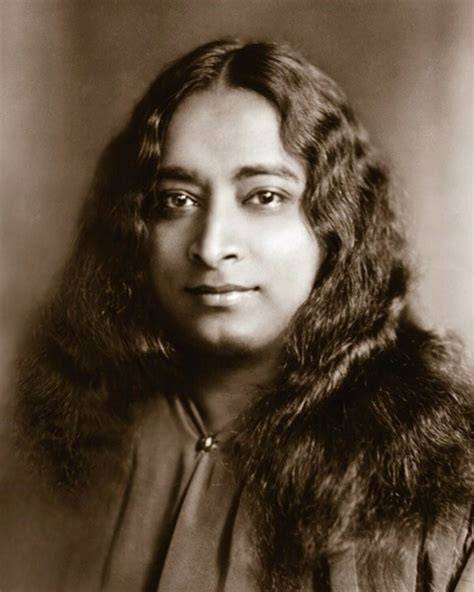
Per Paramahansa Yogananda la morte non è la fine dell’esistenza, ma un cambiamento di stato: il corpo scompare, mentre l’anima, intesa come essenza spirituale immortale, continua a esistere. «La tragedia della morte è irreale» perché ciò che chiamiamo morte riguarda soltanto la trasformazione della forma fisica, non la distruzione della coscienza.
Yogananda descrive il passaggio della morte come una temporanea liberazione dai limiti del corpo, paragonandolo al sonno o al gesto di togliersi un abito. La paura nasce dall’ignoto e dall’identificazione con il corpo, ma, secondo il suo insegnamento, dopo i primi istanti subentra nell’anima un senso di sollievo, libertà e pace.
La morte secondo Paramahansa Yogananda
Though the ordinary man looks upon death with dread and sadness, those who have gone before know it as a wondrous experience of peace and freedom. At death, you forget all the limitations of the physical body and realize how free you are. For the first few seconds there is a sense of fear - fear of the unknown, of something unfamiliar to the consciousness. But after that comes a great realization: the soul feels a joyous sense of relief and freedom.
You know that you exist apart from the mortal body. Every one of us is going to die someday, so there is no use in being afraid of death. You don’t feel miserable at the prospect of losing consciousness of your body in sleep; you accept sleep as a state of freedom to look forward to. So is death; it is a state of rest, a pension from this life. There is nothing to fear.
When death comes, laugh at it. Death is only an experience through which you are meant to learn a great lesson: you cannot die. Our real self, the soul, is immortal. We may sleep for a little while in that change called death, but we can never be destroyed. We exist, and that existence is eternal.
L’anima immortale e il cambiamento della forma
The wave comes to the shore, and then goes back to the sea; it is not lost. It becomes one with the ocean, or returns again in the form of another wave. This body has come, and it will vanish; but the soul essence within it will never cease to exist. Nothing can terminate that eternal consciousness.
Even a particle of matter or a wave of energy is indestructible, as science has proved; the soul or spiritual essence of man is also indestructible. Matter undergoes change; the soul undergoes changing experiences. Radical changes are termed death, but death or a change in form does not change or destroy the spiritual essence.
The body is only a garment. How many times you have changed your clothing in this life, yet because of this you would not say that you have changed. Similarly, when you give up this bodily dress at death you do not change. You are just the same, an immortal soul, a child of God.
The word “death” is a great misnomer, for there is no death; when you are tired of life, you simply take off the overcoat of flesh and go back to the astral world. The Bhagavad Gita speaks beautifully and solacingly of the immortality of the soul:
Never the spirit was born; the spirit shall cease to be never; Never was time it was not; End and Beginning are dreams! Birthless and deathless and changeless remaineth the spirit forever; Death hath not touched it at all, dead though the house of it seems.
La morte come liberazione temporanea
Death is not the end: it is temporary emancipation, given to you when karma, the law of justice, determines that your present body and environment have served their purpose, or when you are too weary or exhausted by suffering to bear the burden of physical existence any longer.
To those who are suffering, death is resurrection from the painful tortures of flesh into awakened peace and calmness. To the elderly, it is a pension earned by years of struggling through life. For all, it is a welcome rest.
When you reflect that this world is filled with death, and that your body, too, has to be relinquished, God’s plan seems very cruel. You can’t imagine that He is merciful. But when you look at the process of death with the eye of wisdom, you see that after all it is merely a thought of God passing through a nightmare of change into blissful freedom in Him again.
Saint and sinner alike are given freedom at death, to a greater or lesser degree according to merit. In the Lord’s dream astral world - the land to which souls go at death - they enjoy a freedom such as they never knew during their earthly life.
So don’t pity the person who is passing through the delusion of death, for in a little while he will be free. Once he gets out of that delusion, he sees that death was not so bad after all. He realizes his mortality was only a dream and rejoices that now no fire can burn him, no water can drown him; he is free and safe.
Il passaggio della coscienza oltre il corpo
The consciousness of the dying man finds itself suddenly relieved of the weight of the body, of the necessity to breathe, and of any physical pain. A sense of soaring through a tunnel of very peaceful, hazy, dim light is experienced by the soul. Then the soul drifts into a state of oblivious sleep, a million times deeper and more enjoyable than the deepest sleep experienced in the physical body.
The after-death state is variously experienced by different people in accordance with their modes of living while on earth. Just as different people vary in the duration and depth of their sleep, so do they vary in their experiences after death. The good man who works hard in the factory of life goes into a deep, unconscious, restful sleep for a short while.
He then awakens in some region of life in the astral world: “In my Father’s house are many mansions.”
Il mondo astrale nella visione di Yogananda
Souls in the astral region are clothed in gossamer light. They do not encase themselves in bundles of bones with fleshly covers. They carry no frail, heavy frames that collide with other crude solids and break. Therefore, there is no war in the astral land between man’s body and solids, oceans, lightning, and disease.
Nor are there accidents, for all things coexist in mutual helpfulness, rather than antagonism. All forms of vibration function in harmony with one another. All forces live in peace and conscious helpfulness.
The souls, the rays on which they tread, and the orange rays they drink and eat, all are made of living light. Souls live in mutual cognizance and cooperation, breathing not oxygen, but the joy of Spirit.
“Friends of other lives easily recognize one another in the astral world,” [Sri Yukteswar said]. “Rejoicing at the immortality of friendship, they realize the indestructibility of love, often doubted at the time of the sad, delusive partings of earthly life.”
How glorious is life after death! No more will you have to lug about this old baggage of bones, with all its troubles. You will be free in the astral heaven, unhindered by physical limitations.
Come affrontare la perdita di una persona cara
When a dear one dies, instead of grieving unreasonably, realize that he has gone on to a higher plane at the will of God, and that God knows what is best for him. Rejoice that he is free. Pray that your love and goodwill be messengers of encouragement to him on his forward path.
This attitude is much more helpful. Of course, we would not be human if we did not miss loved ones; but in feeling lonesome for them we don’t want selfish attachment to be the cause of keeping them earthbound. Extreme sorrow prevents a departed soul from going ahead toward greater peace and freedom.
Secondo Yogananda, il dolore umano non deve essere negato, ma trasformato. La mancanza e la tristezza sono naturali, tuttavia un attaccamento disperato può diventare un ostacolo sia per chi resta sia per chi è passato oltre.
La meditazione e il legame con i defunti
To send your thoughts to loved ones who have passed on, sit quietly in your room and meditate upon God. When you feel His peace within you, concentrate deeply at the Christ center, the center of will at the point between the two eyebrows, and broadcast your love to those dear ones who are gone.
Visualize at the Christ center the person you wish to contact. Send to that soul your vibrations of love, and of strength and courage. If you do this continuously, and if you don’t lose the intensity of your interest in that loved one, that soul will definitely receive your vibrations.
Such thoughts give your loved ones a sense of well-being, a sense of being loved. They have not forgotten you any more than you have forgotten them.
Send your thoughts of love and goodwill to your loved ones as often as you feel inclined to do so, but at least once a year - perhaps on some special anniversary. Mentally tell them, “We will meet again sometime and continue to develop our divine love and friendship with one another.”
If you send them your loving thoughts continuously now, someday you will surely meet them again. You will know that this life is not the end, but merely one link in the eternal chain of your relationship with your loved ones.
La metafora dell’onda e dell’oceano
Per spiegare l’immortalità, Yogananda ricorre all’immagine dell’onda che raggiunge la riva e poi ritorna al mare. L’onda non viene annientata: cambia forma e torna a unirsi all’oceano, oppure riappare come un’altra onda.
Allo stesso modo, il corpo nasce, attraversa l’esperienza terrena e infine scompare, mentre l’essenza dell’anima non cessa di esistere. La morte è quindi un passaggio radicale, ma non una distruzione dell’essere spirituale.
La vita, la morte e il sogno dell’esistenza
In the consciousness of God, these differences will vanish and you will say: Oh, life is sweet and death a dream, When Thy song flows through me. Then joy is sweet, sorrow a dream, When Thy song flows through me. Then health is sweet, sickness a dream, When Thy song flows through me. Then praise is sweet and blame a dream, When Thy song flows through me.
This is the highest philosophy. Do not be afraid of anything. Even when tossing on a wave in a storm, you are still on the bosom of the ocean. Always hold on to the consciousness of God’s underlying presence.
Be of even mind, and say: “I am fearless; I am made of the substance of God. I am a spark of the Fire of Spirit. I am an atom of the Cosmic Flame. I am a cell of the vast universal body of the Father. ‘I and my Father are One.’”
Just lay yourself at God’s feet. There is no time like the present to surrender yourself unto Him. Use all the strength of your soul to find God.
The smoke-screen of delusion has come between us and Him, and He is sorry that we have lost sight of Him. He is not happy seeing His children suffer so much - dying from falling bombs, terrible diseases, and wrong habits of living. He regrets it, for He loves us and wants us back.
If only you would make the effort at night to meditate and be with Him! He thinks of you so much. You are not forsaken. It is you who have forsaken your Self. God is never indifferent to you.
«La tragedia della morte è irreale»
The sole purpose of creation is to compel you to solve its mystery and perceive God behind all. He wants you to forget everything else and to seek Him alone. Once you have found refuge in the Lord, there is no consciousness of life and death as realities.
You will then see all dualities like dreams during sleep, coming and going in the eternal existence of God. Forget not this sermon, a sermon He is expressing to you through my voice.
He is saying: “I am just as helpless as you, for I, as your soul, am tied in the body with you. Unless you redeem your Self, I am caged with you. Dally no more, groveling in the mud of suffering and ignorance. Come! bathe in My light.”
The Lord wants us to escape this delusive world. He cries for us, for He knows how hard it is for us to gain His deliverance. But you have only to remember that you are His child.
Don’t pity yourself. You are loved just as much by God as are Jesus and Krishna. You must seek His love, for it encompasses eternal freedom, endless joy, and immortality.
Be not afraid of the frightening dream of this world. Awaken in God’s immortal light!
Il racconto della luce e del sogno
There was a time when life, to me, was like helplessly watching a terrifying movie, and I was giving too much importance to the tragedies being enacted therein. Then, one day while I was meditating, a great light appeared in my room and God’s voice said to me: “What are you dreaming about? Behold My eternal light, in which the many nightmares of the world come and go. They are not real.”
What a tremendous consolation it was! Nightmares, however dreadful, are merely nightmares. Movies, whether enjoyable or disturbing, are merely movies. We ought not to keep our minds so absorbed in the sad and frightening dramas of this life.
Is it not wiser to place our attention on that Power which is indestructible and unchanging? Why worry about the unpleasant surprises in the plot of this world movie! We are here for just a little while. Learn the lesson of the drama of life and find your freedom.
Just beneath the shadows of this life is God’s wondrous Light. The universe is a vast temple of His presence. When you meditate, you will find doors opening to Him everywhere.
When you have communion with Him, not all the ravages of the world can take away that Joy and Peace.
La morte nella biografia e nella missione di Yogananda
Paramahansa Yogānanda, nato a Gorakhpur Il 5 gennaio 1893 e deceduto a Los Angeles Il 7 marzo 1952, è stato un filosofo, mistico e scrittore indiano. Nato in un’agiata famiglia del Bengala, nel 1910 divenne discepolo di Swami Sri YukteswarGiri, a sua volta discepolo di Lahiri Mahasaya come lo erano anche i suoi genitori.
Spinto dal desiderio di trovare Dio, fin dall’infanzia manifestò interessi spirituali a parenti e conoscenti. Laureatosi nel 1915 presso l’università di Calcutta, entrò nell’ordine monastico degli Swami.
Due anni dopo fondò la Yogoda Satsanga Society of India (YSS), e una scuola maschile a Ranchi. Nel 1920 giunse a Boston, negli Stati Uniti, in qualità di delegato indiano al “Congresso dei Religiosi Liberali”, organizzato da un’associazione unitariana.
Il suo intervento al Congresso fu accolto con grande partecipazione ed entusiasmo. Sempre nel 1920 pose le basi dell’organizzazione Self-Realization Fellowship, che dal 1925 avrebbe avuto sede stabile a Los Angeles, con lo scopo di diffondere nel mondo la sacra scienza del “Kriyā Yoga”.
Il Kriyā Yoga e la ricerca interiore
Il Kriyā Yoga è una forma di yoga molto antica, reintrodotta in India da Lahiri Mahasaya nel XIX secolo. È considerato una forma elevata di raja yoga, lo yoga classico descritto dal filosofo Patañjali negli Yoga Sūtra (II secolo a.C.), «Via Regale di unione con Dio» attraverso la meditazione.
Si tratta di una forma di yoga da apprendere tramite una guida esperta, in cui grazie a varie indicazioni da applicare nella vita quotidiana e meditazioni basatae sul respiro, si apre una «scientifica» per avvicinarsi al contatto e all’unione con il Divino.
Dal sanscrito kriya, “azione” e yoga, “unione”, è una particolare forma di Raja Yoga, l’ultimo dei percorsi yoga descritti da Patañjali, definito la Via Regale di unione con Dio attraverso la meditazione.
Lahiri Mahasaya fu il primo guru indiano a trasmettere questa disciplina, a uomini e donne appartenenti a religioni, caste e ceti sociali diversi. Il Kriya Yoga, nella sua forma più pura e originale, richiedeva un rapporto personale tra guru e discepolo.
Proprio per questa ragione era insegnato in forma privata e segreta e tramandato oralmente. Ora è insegnato da maestri spirituali che cercano di rispettare la tradizione iniziale e da varie organizzazioni sia in India sia in Occidente.
Yogananda e l’incontro tra Oriente e Occidente
Yogananda si dedicò alla diffusione della sua conoscenza interiore, tenendo lezioni e conferenze in cui illustrava i precetti, integrati con il Cristianesimo, dell’antica filosofia Vedica e dell’Induismo. Nei suoi discorsi, faceva molti riferimenti a Gesù, a San Francesco d’Assisi e ad altri santi e profeti dell’Antico e del Nuovo Testamento.
Grazie a questa attività avvicinò migliaia di persone al Kriya Yoga. Tutt’oggi esistono numerosi centri SRF nel mondo dove studenti e devoti possono applicare insieme i suoi insegnamenti e condividere la sua eredità spirituale.
Paramahansa Yogananda è noto soprattutto per aver cercato di riunificare la religiosità orientale induista con quella cristiana occidentale, presentando gli insegnamenti della sua dottrina in forma di scienza, attraverso un linguaggio idoneo all’epoca contemporanea.
Il viaggio in India e l’incontro con Gandhi
Altra data importante della sua vita, il 1935, quando partì per un viaggio di 18 mesi tra l’Europa, l’Africa e l’India. Un viaggio che lo mise in contatto con diverse personalità carismatiche dell’epoca, tra cui in Occidente la mistica tedesca Teresa Neumann e in India il Mahatma Gandhi, con cui condivise gli ideali della resistenza passiva e della non violenza.
In particolare, Gandhi chiese a Paramahansa Yogananda l’iniziazione al Kriyā Yoga. Inoltre, in questi anni il suo guru Sri Yukteswar gli conferì il più alto titolo monastico di Paramahansa.
Nel 1935 Yogananda intraprese un viaggio di 18 mesi tra Europa e India, incontrando figure di spicco come il Mahatma Gandhi, che chiese di essere iniziato al Kriya Yoga.
Durante questo periodo, il suo maestro Sri Yukteswar gli conferì il titolo di “Paramahansa”, che significa “Cigno Supremo”, un riconoscimento della sua elevata realizzazione spirituale.
Autobiografia di uno yogi e influenza culturale
Dopo il 1936, Yogananda ridusse l’attività di conferenziere, per dedicarsi alla stesura dei suoi scritti, come pure al compito di consolidare la Self-Realization Fellowship. Nel 1946 pubblicò la storia della sua vita, l’Autobiografia di uno Yogi, che da allora è stato tradotto in molte lingue ed è diventato uno dei più famosi classici spirituali dei nostri giorni.
Negli Stati Uniti Paramahansa Yogananda diventò ben presto una figura molto nota. Lo testimonia il suo libro, Autobiografia di uno yogi, una delle opere sulla filosofia indiana più famose in Occidente, tradotto in ben 35 lingue.
La prima edizione è stata pubblicata negli Stati Uniti nel 1946, mentre l’edizione definitiva risale al 1951. Il libro narra la sua esperienza di vita, gli incontri con santi e maestri spirituali, e i segreti del Kriya Yoga, rendendo accessibili a tutti i principi della realizzazione del Sé.
Molto prima che la meditazione e lo yoga diventassero fenomeni globali, Paramahansa Yogananda cercava già di portare queste pratiche in Occidente. La sua influenza raggiunse anche persone molto lontane dal mondo spirituale, tra cui Steve Jobs, che era un noto ammiratore di Autobiography of a Yogi, il libro scritto da Yogananda.
Un’edizione dell’opera afferma persino che Jobs arrivò a ordinare 500 copie da distribuire ai suoi ospiti. Come lo è stato di George Harrison, John Coltrane, Steve Jobs, Thomas Mann, Greta Garbo e decine di altre menti e artisti del ‘900.
Soprattutto negli anni Sessanta e Settanta, il libro e la figura stessa di Paramahansa Yogananda ebbero grande risonanza in Occidente, anche per via delle connessioni fra la filosofia indiana e il pensiero hippie.
Per comprenderne la notorietà, basti dire che Yogananda appare sulla copertina di Sgt. Pepper’s Lonely Hearts Club Band, celebre album dei Beatles pubblicato nel 1967. Inoltre, la sua opera ispirò Tales from Topographic Oceans, l’album realizzato dagli Yes nel 1973.
La morte di Yogananda e il mahasamadhi
Paramhansa Yogananda morì improvvisamente a Los Angeles, in California, il 7 marzo 1952, al termine del discorso pronunciato al Biltimore Hotel dopo un banchetto organizzato in onore dell’ambasciatore dell’India, Binay Ranjan Sen.
La causa ufficiale della morte fu attacco cardiaco causato da sindrome coronarica acuta. Secondo i documenti dell’epoca, soffrì un’occlusione coronarica.
Per i suoi seguaci, tuttavia, la sua morte fu un mahasamadhi, il termine che usano per descrivere il distacco consapevole dal corpo da parte di un maestro spiritualmente realizzato.
Secondo i suoi discepoli, il maestro raggiunse il mahasamadhi, ovvero la fusione consapevole con il divino.
Il corpo di Yogananda e la dichiarazione di Harry T. Rowe
Ciò che accadde in seguito è quello che trasformò la sua morte in una storia straordinaria. Il suo corpo fu portato al Forest Lawn Memorial-Park e imbalsamato.
Harry T. Rowe, il direttore delle pompe funebri, lasciò una dichiarazione autenticata da un notaio sulle sue condizioni, nella quale affermava di non aver osservato alcun segno visibile di decomposizione nemmeno 20 giorni dopo la morte.
Notò inoltre che non vi erano segni visibili di muffa e descrisse lo stato di conservazione come senza precedenti nella sua esperienza.
Il resoconto fu in seguito incorporato nella tradizione dei suoi seguaci come possibile manifestazione del suo stato spirituale. L’organizzazione fondata da Yogananda conserva la dichiarazione del Forest Lawn come parte della documentazione sui suoi ultimi giorni.
Tuttavia, c’è un’importante differenza tra il fatto documentato e la sua interpretazione: ciò che si può attribuire direttamente al direttore delle pompe funebri è che non osservò segni visibili di decomposizione; considerare ciò un fenomeno soprannaturale è un’interpretazione religiosa successiva.
Il rapporto del Forest Lawn
«L’assenza di segni visibili di decomposizione nel corpo di Paramhansa Yogananda rappresenta il caso più straordinario nella nostra esperienza», scrisse Harry T. Rowe.
«Se le proteine muscolari e il flusso sanguigno del defunto non fossero stati relativamente privi di batteri, il deterioramento del corpo avrebbe potuto iniziare già sei ore dopo la sua dipartita. Nessuna disintegrazione fisica era visibile nel corpo di Paramhansa Yogananda nemmeno venti giorni dopo la morte».
«I funzionari di Forest Lawn visionarono il corpo di Paramhansa Yogananda un’ora dopo la sua morte, avvenuta il 7 marzo 1952. Il corpo fu poi trasportato nella sua casa sul Monte Washington a Los Angeles, dove molti amici si riunirono per ammirare la sua salma».
Da quel momento il corpo fu sottoposto a osservazione giornaliera presso l’obitorio della Forest Lawn Memorial-Park Association dall’11 marzo 1952, giorno degli ultimi riti pubblici, fino al 27 marzo 1952, quando la bara di bronzo fu sigillata con il fuoco.
«Durante questo periodo, non si riscontrarono tracce di muffa sulla pelle di Paramhansa Yogananda, né si verificò alcuna essiccazione visibile nei tessuti corporei. Questo stato di perfetta conservazione di un corpo è, per quanto ne sappiamo dagli annali mortuari, senza pari».
Imbalsamazione e condizioni della salma
Per tutelare la salute pubblica, l’imbalsamazione è auspicabile se un cadavere deve essere esposto al pubblico per diversi giorni. L’imbalsamazione del corpo di Paramhansa Yogananda avvenne ventiquattro ore dopo la sua scomparsa.
A temperatura ambiente, l’azione enzimatica dell’intestino delle persone decedute provoca la distensione dei tessuti nella regione addominale circa sei ore dopo la morte. Tale distensione non si verificò mai nel caso di Paramhansa Yogananda.
Quando il nostro obitorio ha ricevuto il suo corpo per l’imbalsamazione, non presentava segni di deterioramento fisico né odore di putrefazione: due assenze davvero insolite quando un decesso è avvenuto ventiquattro ore prima.
Il corpo di Paramhansa Yogananda fu imbalsamato la notte dell’8 marzo, con la stessa quantità di fluido normalmente utilizzata per qualsiasi corpo di simili dimensioni. Non fu praticato alcun trattamento insolito.
Nel caso di persone imbalsamate ed esposte agli amici per un periodo di due o tre settimane, è necessario, per garantirne la presentabilità, che l’imbalsamatore applichi sul viso e sulle mani del defunto un’emulsione cremosa che sigilla i pori e previene temporaneamente la comparsa di muffe.
Nel caso di Paramhansa Yogananda, tuttavia, non furono utilizzate emulsioni. Erano superflue, in quanto i suoi tessuti non subirono trasformazioni visibili.
L’osservazione quotidiana della salma
Dopo l’imbalsamazione, avvenuta la notte dell’8 marzo, il corpo di Paramhansa Yogananda fu riportato alla sede centrale della Self-Realization Fellowship sul Monte Washington.
Durante i riti pubblici conclusivi, svoltisi lì nel pomeriggio dell’11 marzo, il coperchio di vetro sigillante della bara di bronzo fu chiuso saldamente e non fu più rimosso. Il suo corpo non fu mai più toccato da mani umane.
La salma nella bara è stata trasportata verso le 22:00 dell’11 marzo al nostro obitorio per l’osservazione quotidiana. Il motivo di questa procedura era la speranza dei responsabili della Self-Realization Fellowship che due discepoli di Paramhansa Yogananda dall’India potessero arrivare a Los Angeles a marzo, per essere poi condotti all’obitorio e visionare la salma.
In qualsiasi bara sigillata, in cui l’aria non può entrare e da cui non può uscire, l’umidità interna del cadavere, imbalsamato o meno, forma presto una muffa bianca sulla pelle, a meno che non venga utilizzata la crema protettiva, non utilizzata in questo caso.
La caratteristica naturale delle proteine muscolari è quella di scomporre in amminoacidi e poi in acidi ptomanici. Quando gli acidi ptomanici diventano attivi, il deterioramento dei tessuti è rapido.
Il corpo di Paramhansa Yogananda era apparentemente privo di impurità che potessero consentire la scomposizione delle proteine muscolari in acidi ptomanici. I suoi tessuti rimasero intatti.
I segni osservati fino al 27 marzo
Al momento di ricevere il corpo di Paramhansa Yogananda, il personale dell’obitorio di Forest Lawn si aspettava di osservare, attraverso il coperchio di vetro della bara, i consueti segni progressivi di decomposizione corporea.
Il nostro stupore aumentò con il passare dei giorni, senza che si verificasse alcun cambiamento visibile nel corpo sotto osservazione. Il corpo di Paramhansa Yogananda era apparentemente in uno stato fenomenale di immutabilità.
Nella tarda mattinata del 26 marzo, abbiamo osservato un cambiamento molto lieve, appena percettibile: la comparsa sulla punta del naso il bordo di una macchia marrone, di circa 4 mm di diametro. Questa piccola macchia sbiadita indicava che il processo di essiccazione (essiccazione) poteva finalmente iniziare.
Tuttavia, non si vedeva muffa. Le mani rimasero sempre di dimensioni normali, senza mostrare segni di raggrinzimento o pizzicore sulla punta delle dita, il punto in cui l’essiccazione si nota precocemente.
Le labbra, leggermente abbozzate, mantennero costantemente la loro fermezza. Nessun odore di decomposizione emanò dal corpo di Paramhansa Yogananda in nessun momento.
Sebbene la bara fosse chiusa dal pesante coperchio di vetro, non era sigillata ermeticamente. Qualsiasi odore proveniente dal defunto, se fosse stato presente, sarebbe stato immediatamente percepito dalle persone presenti vicino alla bara.
La natura volatile degli odori rende impossibile nasconderne la presenza, tranne in rare circostanze che non si verificarono in questo caso.
La sigillatura della bara e la sepoltura
Poiché era stato comunicato che i due discepoli dall’India non sarebbero giunti in America prima del 1953, il 27 marzo 1952 i dirigenti della Self-Realization Fellowship concordarono che la sepoltura della bara di Paramhansa avrebbe avuto luogo.
Il coperchio interno di vetro fu quindi sigillato a fuoco alla parte inferiore della bara; il massiccio coperchio di bronzo fu poi posizionato sopra e fissato con mastice sigillante e bulloni. La sigillatura a fuoco fu completata il 27 e 28 marzo.
La bara fu rimossa il 28 marzo 1952 in una cripta nel Grande Mausoleo del Forest Lawn Memorial Park, per rimanervi fino a quando la Self-Realization Fellowship non avesse predisposto la sepoltura permanente della salma.
L’aspetto fisico di Paramhansa Yogananda il 27 marzo, poco prima che il coperchio di bronzo della bara venisse posizionato, era lo stesso del 7 marzo. Il 27 marzo appariva fresco e integro come la notte della sua morte.
Il 27 marzo non c’era motivo di affermare che il suo corpo avesse subito alcuna visibile disintegrazione fisica. Per queste ragioni ribadiamo che il caso di Paramhansa Yogananda è unico nella nostra esperienza.
Miracolo, documento e interpretazione religiosa
Mi ha ricordato questo fatto che riguarda Yogananda, questo che venne chiamato “miracolo” e che è attestato davanti a un notaio da Harry T. Rowe, direttore dell’obitorio del Forest Lawn, l’immenso cimitero di Los Angeles dove riposa il corpo del guru.
Ecco perché questo fatto ha attirato la curiosità di Battiato, perché si è trattato di un fatto straordinario. A prescindere dall’avvenuta imbalsamazione, che la Self Realization Fellowship nega esserci stata.
Quello che non sappiamo ancora sulle possibilità date dalle tecniche dello Yoga è tantissimo. Un oceano di informazioni e di spiegazioni ci sono precluse perché c’è qualcosa che sfugge al metodo scientifico propriamente detto.
La vicenda può quindi essere letta su due piani distinti. Da un lato esiste una testimonianza documentata sulle condizioni osservate nel corpo; dall’altro vi è l’interpretazione spirituale secondo cui la conservazione sarebbe collegata alla realizzazione interiore del maestro.
A prescindere dall’interpretazione soprannaturale, il rapporto di Harry T. Rowe descrive un’osservazione precisa: il corpo non mostrò segni visibili di decomposizione per oltre venti giorni, non presentò muffa osservabile e non emanò odore di putrefazione.
Il significato spirituale della morte di Yogananda
Penso che la vita esemplare e davvero “miracolosa” di Paramhansa Yogananda abbia prodotto possibilità impossibili da comprendere con la ragione. Ed è bello avere il testo di Harry T. Rowe a ricordarcelo.
A ricordarci che il miracolo avviene ogni istante in cui viviamo consapevolmente guardando ciò che la vita ci mette davanti. Senza chiedere niente di più.
Sono stato al cimitero Forest Lawn e ho meditato davanti al loculo che contiene il corpo di Yogananda. Un loculo come gli altri, nessun monumento, solo una scritta con il suo nome e le date che contengono la sua esistenza terrena.
Pensando alla storia del suo corpo incorrotto, personalmente non grido al miracolo perché è un modo vecchio e banale di pensare.
La paura, la fede e la libertà interiore
Be Fearless and Secure Through Faith in God
God is the only harbor of safety from the storms of this world. “Take shelter in Him with all the eagerness of thy heart. By His grace thou shalt obtain the utmost peace and the Eternal Shelter.”
In Him I have found the joy of my life, the indescribable blessedness of my existence, the wonderful realization of His everywhereness right within me. I want you all to have that.
Yoga teaches that where God is, there is no fear, no sorrow. The successful yogi can stand unshaken midst the crash of breaking worlds; he is secure in the realization: “Lord, where I am, there Thou must come.”
Fearlessness means faith in God: faith in His protection, His justice, His wisdom, His mercy, His love, His omnipresence. Fear robs man of the indomitability of his soul.
Disrupting Nature’s harmonious workings emanating from the source of divine power within, fear causes physical, mental, and spiritual disturbances. Instead of indulging anxiety he should affirm: “I am ever safe in the fortress of Thy loving care.”
Whether you are in the African jungle or at war or racked by disease and poverty, just say to the Lord, and believe: “I am in the armored car of Your presence, moving across the battlefield of life. I am protected.”
There is no other way to be safe. Use common sense and trust fully in God. I am not suggesting something eccentric; I am urging you to affirm and believe, no matter what happens, in this truth: “Lord, it is You alone who can help me.”
La guida divina nei periodi oscuri
In Times of Darkness, Hold to the Loving Guidance of God
Make the Lord the Shepherd of your soul. Make Him your Searchlight when you move along a shadowy pathway in life. He is your Moon in the night of ignorance. He is your Sun during the wakeful hours. And He is your Polestar on the dark seas of mortal existence.
Seek His guidance. The world will go on like this in its ups and downs. Where shall we look for a sense of direction? Not to the prejudices roused within us by our habits and the environmental influences of our families, our country, or the world; but to the guiding voice of Truth within.
Every moment I am thinking only of God. I have given my heart into the shelter of the Lord. I have given my spirit into His charge. My love, my devotion I lay at His feet of Eternity.
Trust nothing before God. And then, through the inner direction of God, trust those who manifest His light. That Light is my guide. That Light is my love. That Light is my wisdom.
La sofferenza, il mondo e il piano divino
Why So Much War and Natural Disaster?
The sudden cataclysms that occur in nature, creating havoc and mass injury, are not “acts of God.” Such disasters result from the thoughts and actions of man. Whenever the world’s vibratory balance of good and evil is disturbed by an accumulation of harmful vibrations, the result of man’s wrong thinking and wrong doing, you will see devastation.
Wars are brought about not by fateful divine action but by widespread material selfishness. Banish selfishness - individual, industrial, political, national - and you will have no more wars.
Modern chaotic conditions all over the world are the result of living by ungodly ideals. Individuals and nations can be protected from utter destruction if they live by heavenly ideals of brotherhood, industrial cooperation, and international exchange of earthly goods and experiences.
I believe a time will come when in greater understanding we shall have no boundaries anymore. We shall call the earth our country; and we shall, by a process of justice and international assembly, distribute unselfishly the goods of the world according to the needs of the people.
But equality cannot be established by force; it must come from the heart. We must start now, with ourselves. We should try to be like the divine ones who have come on earth again and again to show us the way.
By our loving each other and keeping our understanding clear, as they taught and exemplified, peace can come. The one thing that will help to eliminate world suffering - more than money, houses, or any other material aid - is to meditate and transmit to others the divine consciousness of God that we feel.
La coscienza immortale davanti alle crisi del mondo
A thousand dictators could never destroy what I have within. Every day radiate His consciousness to others. Try to understand God’s plan for mankind - to draw all souls back to Himself - and work in harmony with His will.
God is Love; His plan for creation can be rooted only in love. Does not that simple thought, rather than erudite reasonings, offer solace to the human heart?
Every saint who has penetrated to the core of Reality has testified that a divine universal plan exists and that it is beautiful and full of joy.
What Is the Spiritual Approach to the Present World Situation?
The present world crisis is due to the upward climb of Dwapara Yuga; in order for the world to become better, evil must be expunged. The forces of evil will cause their own destruction, thus assuring survival of the righteous nations.
The conflict between good and evil has been going on since the dawn of history. But as the world is moving upward through the Dwapara Yuga, the electrical or atomic age, there is greater potential not only for good, but also for destruction through the misuse of technology by those who are greedy and desire power.
In keeping with the influence of Dwapara Yuga, technology is rapidly moving the general populace to higher levels of achievement. But this progress also creates a greater gap between the achievers and nonachievers. This foments jealousies and social, economic, and political troubles.
I believe in the brotherhood of man created by mutual love and understanding and cooperation. All worthwhile goals and ennobling ideals should be introduced to the world by spiritual example and good methods, not by brute force and war.
Political power without spiritual principles is dangerous. By spiritual principles I do not refer to doctrines of specific religions - which may also be divisive - but to dharma or universal principles of righteousness applicable to the well-being of all humanity.
To prevent the spread of evil, sometimes righteous war is even necessary. You cannot preach nonviolence and cooperation to a wild tiger, for he will destroy you even before you can expound your philosophy. Some human perpetrators of evil are similarly unresponsive to reason.
Any wagers of aggressive war, as was Hitler, will lose. Those who are compelled to fight a righteous war against evil will win. Whether or not a war is righteous is judged by God.
La speranza nell’unità dell’umanità
I make one prediction now: The world is not going down to destruction. So don’t be frightened. Believe in your Father. He will protect you if you remember His ideals, if you keep faith in Him.
We are moving upward. The twelve hundred years of the material cycle have passed, and three hundred of the twenty-four hundred years of the atomic age are gone. Then there will be the mental and the spiritual ages.
We are not going down. No matter what happens, the Spirit will win. I predict this.
My brothers and sisters of the world: Please remember that God is our Father and He is One. We are all His children, and as such we should adopt constructive means to help each other become physically, mentally, financially, and spiritually ideal citizens of a United States of the World.
When every soul will rise above petty divisions in true spiritual understanding, world misery will be consumed in the fire of the realization of the universality of God and the brotherhood of man.
Such media as radio and television and air travel have brought us all together as never before. We must learn that it can no longer be Asia for Asiatics, Europe for Europeans, America for Americans, and so on, but a United States of the World under God, in which each human being can be an ideal citizen of the globe with every opportunity for fulfillment in body, mind, and soul.
L’amore eterno oltre le ombre della vita
Seek the Eternal Love of God Behind Earth’s Transient Shadows
No man, no prophet, will ever be able to wipe away all the inequalities and divisions on this earth. But when you will find yourself in the consciousness of God, these differences will vanish.
Do not be afraid of anything. Even when tossing on a wave in a storm, you are still on the bosom of the ocean. Always hold on to the consciousness of God’s underlying presence.
The Lord wants us to escape this delusive world. He cries for us, for He knows how hard it is for us to gain His deliverance. But you have only to remember that you are His child.
You must seek His love, for it encompasses eternal freedom, endless joy, and immortality. Be not afraid of the frightening dream of this world. Awaken in God’s immortal light!
Le frasi di Yogananda sulla felicità e sulla libertà
“Se vuoi essere triste, nessuno al mondo può renderti felice. Ma se decidi di essere felice, nessuno e niente al mondo può toglierti la felicità”.
- “Impara a essere calmo e sarai sempre felice”
- “La stagione del fallimento è il momento migliore per piantare i semi del successo”
- “La libertà dell’uomo è definitiva e immediata se così egli vuole; essa non dipende da vittorie esterne ma interne”
- “Distingui fra le tue necessità e i tuoi desideri. Le necessità sono poche, mentre i desideri possono essere illimitati. Per trovare libertà e serenità, segui solo le tue necessità. Smetti di creare desideri illimitati inseguendo i capricci della falsa felicità. Più dipendi da condizioni esterne per la tua felicità, meno felice sarai”
- “Spesso noi continuiamo a soffrire senza fare uno sforzo per cambiare; ecco perché non troviamo pace durevole e appagamento. Se noi perseverassimo, saremmo certamente capaci di superare tutte le difficoltà. Dobbiamo fare lo sforzo, perché possiamo passare dalla miseria alla felicità, dallo sconforto al coraggio”
- “Centrare ogni godimento nel cuore: sentire che la causa di quel godimento si trova lì, nelle proprie reazioni, e poi innalzare consapevolmente quell’energia lungo la spina dorsale, dal cuore al cervello”
Un’affermazione meditativa sull’immortalità
The ocean of Spirit has become the little bubble of my soul. Whether floating in birth, or disappearing in death, in the ocean of cosmic awareness the bubble of my life cannot die. I am indestructible consciousness, protected in the bosom of Spirit’s immortality.
“In life and death, in disease, famine, pestilence, or poverty may I ever cling to Thee. Help me to realize I am immortal Spirit, untouched by the changes of childhood, youth, age, and world upheavals.”